
PRE-POUR INSPECTIONS
CATCH ERRORS BEFORE CONCRETE IS PLACED AND IT'S TOO LATE
The inspection verifies that formwork, reinforcement, beams, vapor barrier, plumbing, and grading comply with the structural engineer's design, PTI standards, and the 2024 International Residential Code (IRC).
WHAT IS A PRE-POUR FOUNDATION INSPECTION?
A pre-pour foundation inspection (also called a Phase 1 inspection, slab inspection, or foundation rough-in inspection) is a comprehensive evaluation of all foundation components performed after preparation work is complete but before concrete is placed. The inspection verifies that formwork, reinforcement, beams, vapor barrier, plumbing, and grading comply with the structural engineer's design specifications, 2024 International Residential Code (IRC), and the Post-Tensioning Institute (PTI) standards.
This inspection represents your only opportunity to visually verify critical foundation components before they become permanently encased in concrete for the life of your home. Once the concrete truck arrives, any deficiencies in reinforcement placement, beam dimensions, or form installation become extraordinarily expensive to correct—if correction is even possible.
Key Elements of a Pre-Pour Inspection:
- Formwork: Verified for proper alignment, bracing, and check for level and square.
- Reinforcement: Inspected for correct size, spacing, chair support, and elevation of rebar or post-tension cables.
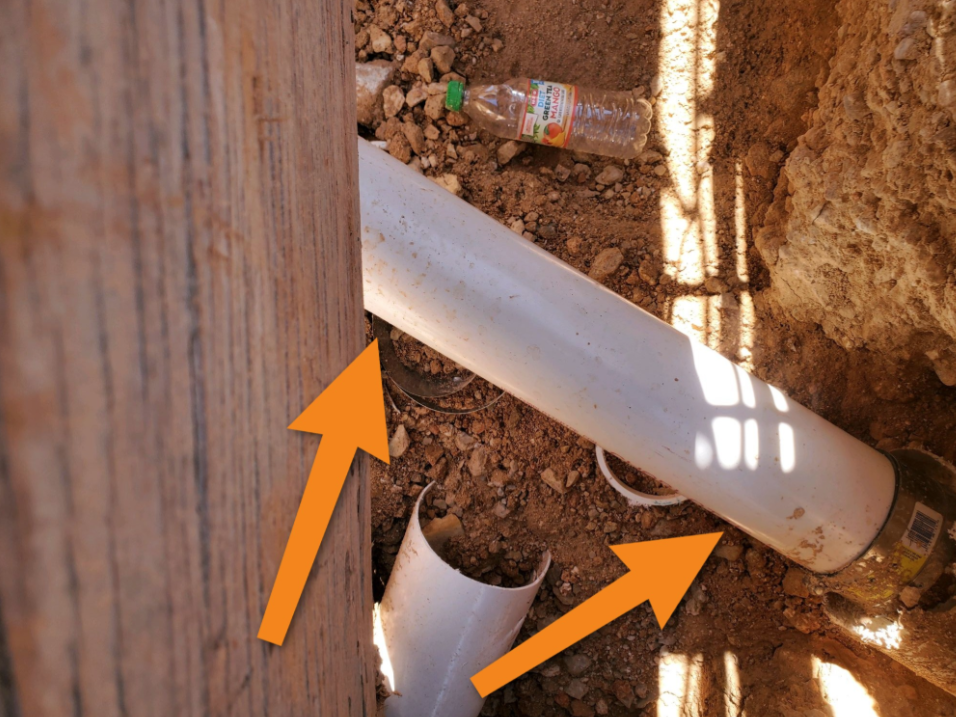
- Plumbing & Electrical: Checked for proper routing, sealing, and secure placement of conduits, pipes, and sleeves.
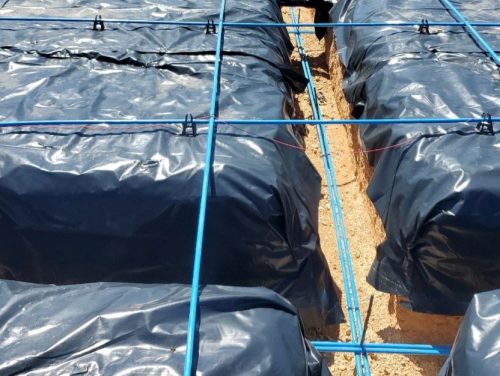
- Subgrade & Vapor Barrier: Confirmed to be properly compacted, graded, and covered with a, vapor-proof barrier.
- Site Condition: Cleanliness, with any debris or foreign objects removed to prevent future structural voids.
Why Pre-Pour Inspection is Essential:
- Structural Integrity: Ensures the foundation is robust and built to the plans and code.
- Cost Savings: Detects errors when they are cheap and easy to fix, rather than after concrete has set.
- Compliance: Verifies adherence to structural engineering plans and local regulations.
PRE-POUR INSPECTION PROCESS
1. Before your inspection
Contact your builder or construction manager to determine when the foundation pour is scheduled. Most Austin-area builders provide 2-5 days advance notice before placing concrete. Schedule your pre-pour inspection 24-48 hours before the pour date to allow time for any corrections before the concrete trucks arrive.
2. During the inspection
I arrive on site with measuring equipment, camera, and a copy of your structural plans if you've provided them. The inspection typically takes 1.5 -3 hours depending on foundation size and complexity. I systematically evaluate every component that will be embedded in concrete, photographing conditions and taking measurements.
3. Your Report
You'll receive a detailed inspection report the same day or within 24 hours. The report includes photo documentation of all areas inspected, measurements of slab depths and form levelness, specific code or plan references for any deficiencies identified.
4. After the Inspection
I'm available to discuss findings with you and, if helpful, to communicate directly with your builder about deficiencies. My goal is ensuring your foundation gets built correctly and not creating adversarial situations. Most builders appreciate the quality control that third-party inspection provides.
WHY PRE-POUR INSPECTIONS MATTER FOR CENTRAL TEXAS HOMES
Central Texas presents unique foundation challenges. The expansive clay soils throughout Travis, Williamson, Hays, and surrounding counties undergo significant volume changes with moisture fluctuations. A properly constructed foundation with correct reinforcement, beam depths, and moisture barriers is essential for long-term structural performance. Pre-pour inspection catches construction deficiencies while repairs cost minutes of labor rather than thousands of dollars.
Most Austin-area foundations use post-tensioned slab construction, which requires specific cable placement, chair heights, and tensioning sequences that differ from conventional rebar-only foundations. A pre-pour inspector with PTI certification understands these specialized requirements and can identify issues that general home inspectors may miss.
Repair BEFORE Pour
$50 - $500
Beam depth adjustment, rebar repositioning, vapor barrier repair, plumbing slope correction—all straightforward fixes when concrete hasn't been placed.
Repair AFTER Pour
$5,000 - $50,000+
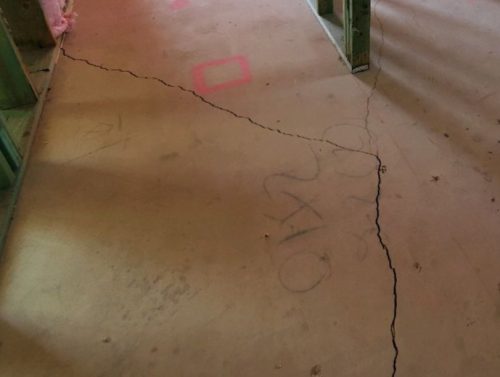
Concrete removal, saw cutting, structural engineering consultation, reinforcement retrofit, and potential litigation costs when foundation problems emerge.
A $700 inspection can prevent $10,000+ in post-construction repairs.
COMMON PRE-POUR DEFICIENCIES
AND THEIR CONSEQUENCES
A pre-pour inspection investment of a few hundred dollars provides documentation and deficiency identification that can prevent tens of thousands in future repairs. More importantly, it provides peace of mind that your home's most critical structural element was built correctly.
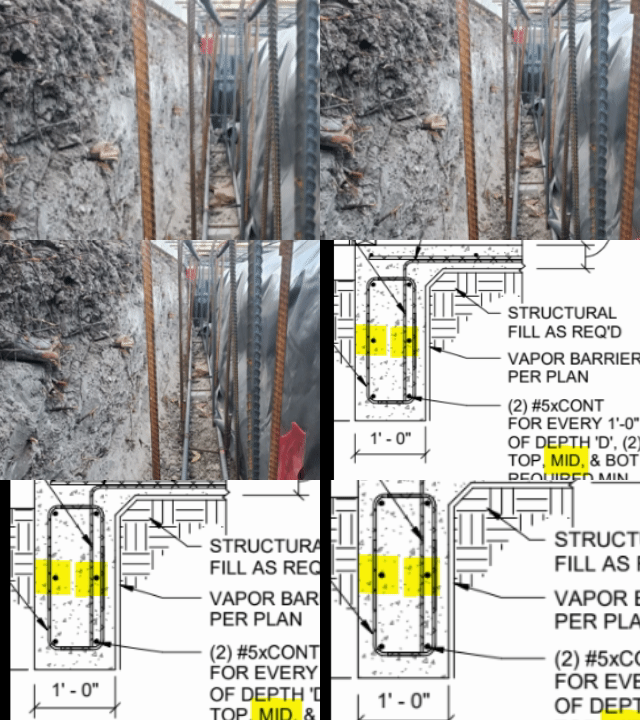
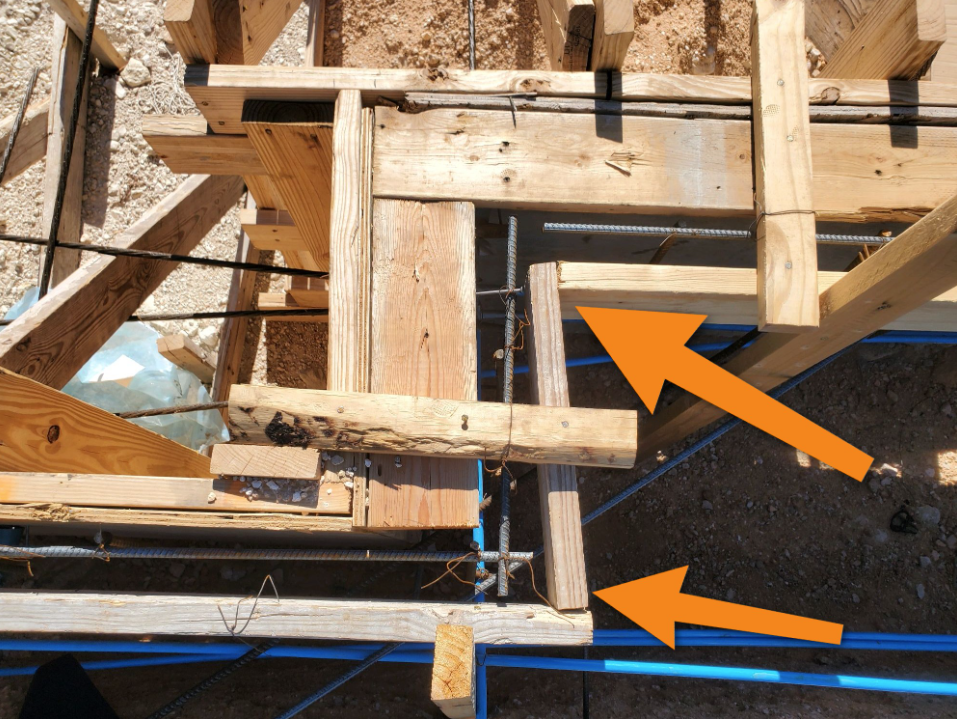
Rebar missing
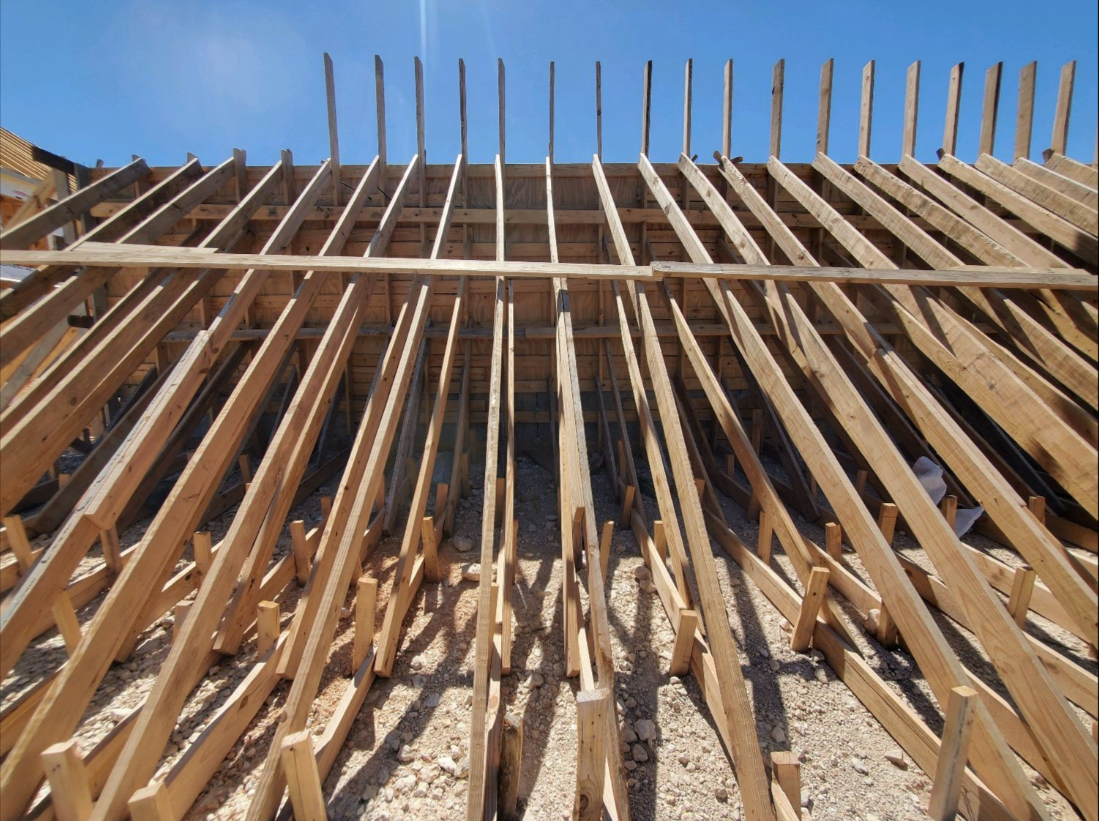
Forms not straight
Weep holes missing
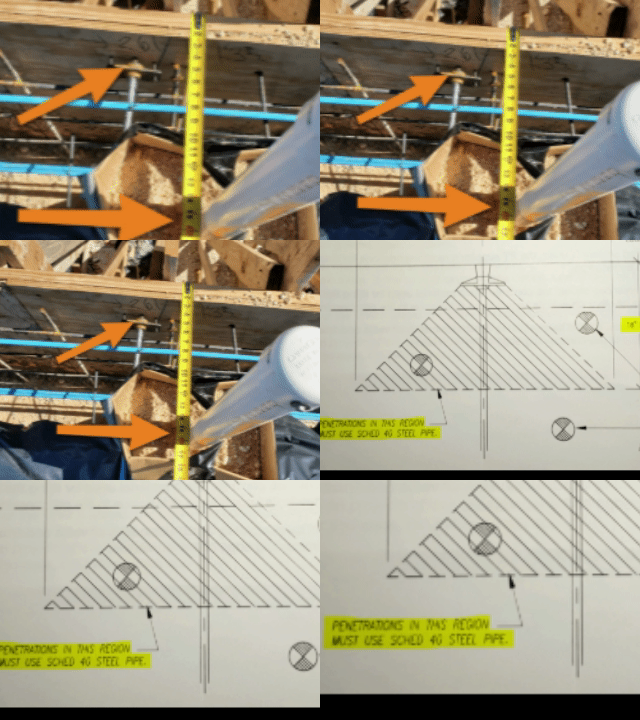
Pipe in anchorage zone
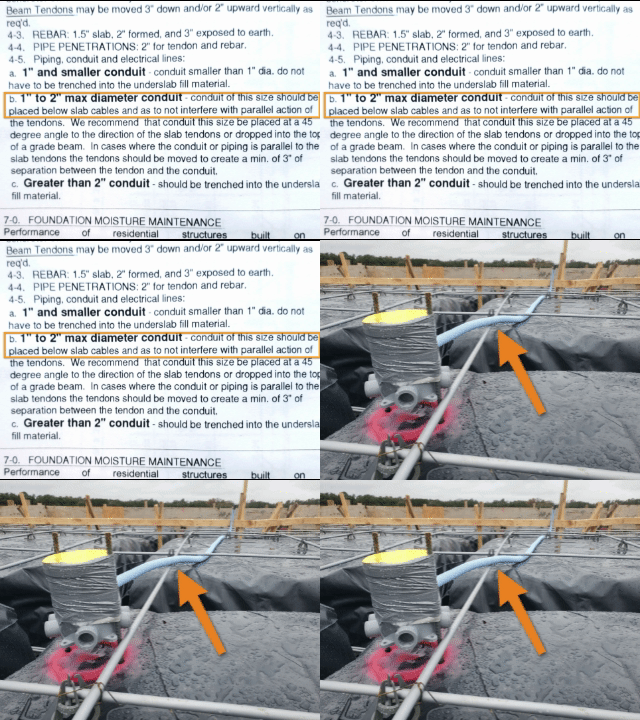
Conduit above tendon